
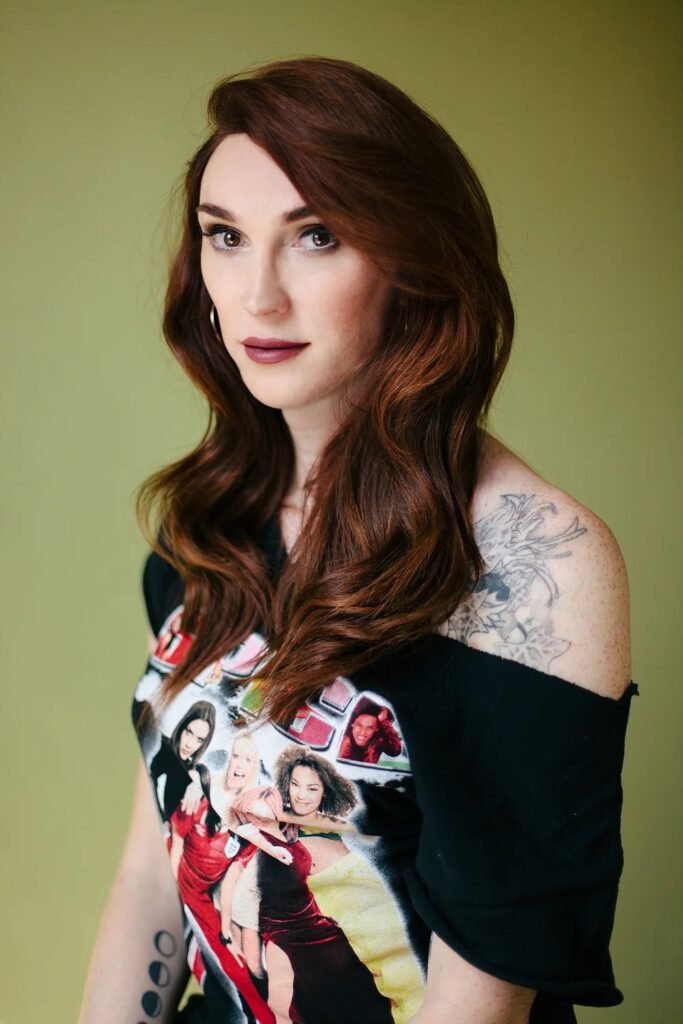
Juno Dawson is a #1 Sunday Times best-selling novelist, screenwriter, podcaster, and a former columnist for Attitude Magazine. Juno’s books include the global bestsellers, THIS BOOK IS GAY and CLEAN. She won the 2020 YA Book Prize for MEAT MARKET. Her first adult fantasy trilogy HER MAJESTY’S ROYAL COVEN launched in 2022, becoming an instant best-seller. Her TV credits include DOCTOR WHO (2025) and THE BIRTH OF VENUS (2021). An occasional actress and model, Juno had a cameo in the BBC’s I MAY DESTROY YOU (2020), a recurring role in HOLBY CITY (BBC 2021) and was the face of Jecca Cosmetics Play Pots campaign. With Dylan B Jones, Juno hosts the smash podcast SO I GOT TO THINKING, the UK’s biggest SEX AND THE CITY fan podcast with over two million streams to date.
Proudly Yorkshire-born, Juno now lives in Brighton. She is a part of the queer cabaret collective known as CLUB SILENCIO. Her charity work has included collaborations with STONEWALL, NOTAPHASE and STUDENT PRIDE.
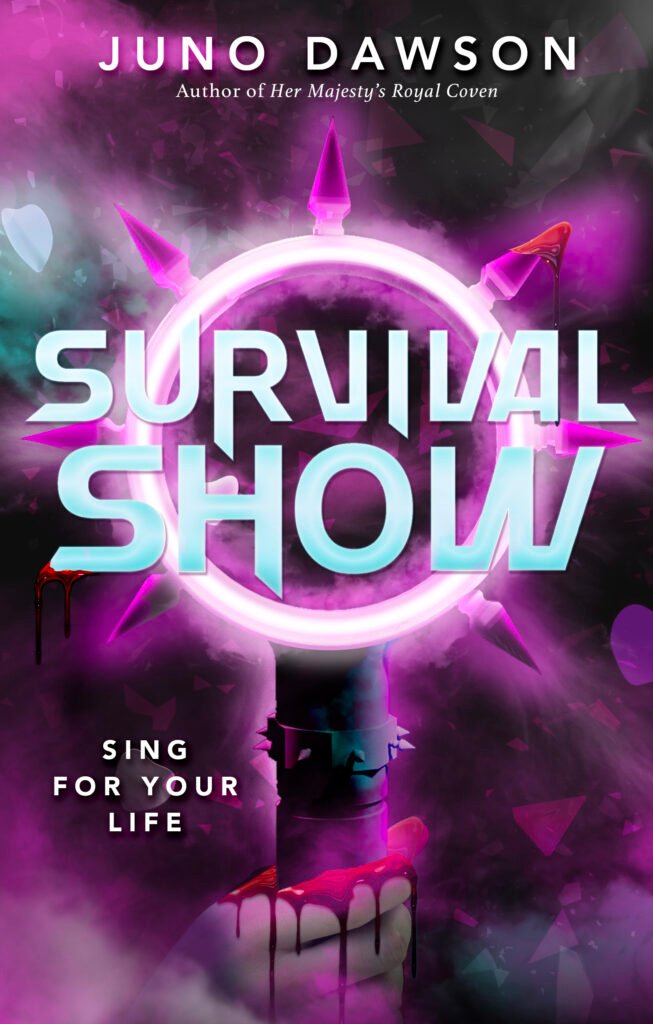
Survival Show combines dystopian stakes with reality-TV satire — young women compete on Starmaker for fame and wealth, but elimination means literal death. What inspired you to use reality TV and pop-idol culture as the centerpiece of a story about survival, performance, and exploitation?
I’m a huge fan of pop music and have been since I was very young. As a young adult I read the memoirs of all of the Spice Girls and started to realize the industry wasn’t a safe or fun place for young women. It’s a microcosm of a world that isn’t safe or fun for young women. I still love music – and think K-Pop is the best pop music out there, but I feel we have to be honest about the industry’s abuse of young women in the hope a conversation can implement change.
In your world, the backdrop of the New Alliance — shaped by war, flood, and scarce resources — drives Taryn’s decision to compete in Starmaker to help her sick brother. How did you approach balancing personal desperation and systemic critique in crafting this setting and her motivations?
There is a version of this novel where Taryn just really wants to be rich and famous because lots of people do, but I think it’s a faster way into the story for a young adult audience. If I was writing for an adult audience perhaps her trauma would have been less evident right away. But I think the advent of reality television offered people from lower socioeconomic backgrounds a shortcut into a traditionally very closed industry. Artists like Cheryl Tweedy and Jade Thirlwall have spoken at length on how survival shows offered them a lifeline as working-class girls.
Reality TV shows like Survival Show often amplify conflict for entertainment; your version turns that up to lethal extremes. How did you navigate writing cruel competition and camaraderie among contestants — and what were you most interested in exploring about gender, rivalry, and solidarity under pressure?
This is why girl groups are endlessly fascinating. We know that boybands have fights too, but because girls are trained to be people pleasers, or be agreeable, from a very young age, the dynamics of female social groups always make for great stories. It’s a fact that, in life, all women will have to collaborate with women they may clash with. How does one navigate such disagreements while also still working towards a less misogynist system? I could absolutely write a dissertation on the interpersonal dynamics of the Spice Girls.
Taryn works with a boyband mentor named Cade while secretly plotting to expose Starmaker’s regime from the inside. What drew you to include a mentor figure and potential romantic dynamic, and how does that relationship complicate or deepen Taryn’s mission and emotional journey?
This is pure wish-fulfillment. Who doesn’t want a gorgeous, famous man to fall for you and, more importantly, see you? But Cade fulfils an important plot function too. He no longer “believes” in the dream the girls are being sold. He knows that surviving the survival show isn’t necessarily “winning.”
You’re known for tackling bold and culturally relevant issues in your YA work, from gender and identity to systemic critique in novels like Clean and Her Majesty’s Royal Coven. How has your background in diverse genres and themes influenced your approach to this high-stakes dystopian story?
I honestly really let it enter my head. If I’ve learned one thing over the last fifteen years, it’s just to write a book that I would love! I can’t be anyone else; I’ve tried and it doesn’t work. The only thing I can do is let the character find me, as pretentious as that sounds. With Taryn it was the scene where she first speaks to the researcher at Starmaker. She’s so cynical, so media savvy. She knows exactly how to play the game. She uses fandom as a weapon.
Survival Show satirizes fame, media spectacle, and the illusion of choice — and is also the start of a new series. What do you hope readers especially young adults take away about power, authenticity, and resistance after experiencing Taryn’s “performance of a lifetime”?
I think this is a novel about boundaries. It’s very interesting to watch Chappell Roan be roasted online for doing exactly what we’d want a young, female artist to do. Roan is refusing to let herself be abused, worked to death, or forced into situations where she’s uncomfortable, and then some are criticizing her because she won’t sacrifice herself for public consumption. I believe Adele was the same; she got fame but on her terms. That’s what I’d want for readers; you can achieve your dreams, but you don’t have to die for them.
Read more about Survival Show here
INTERVIEW: YA SH3LF