
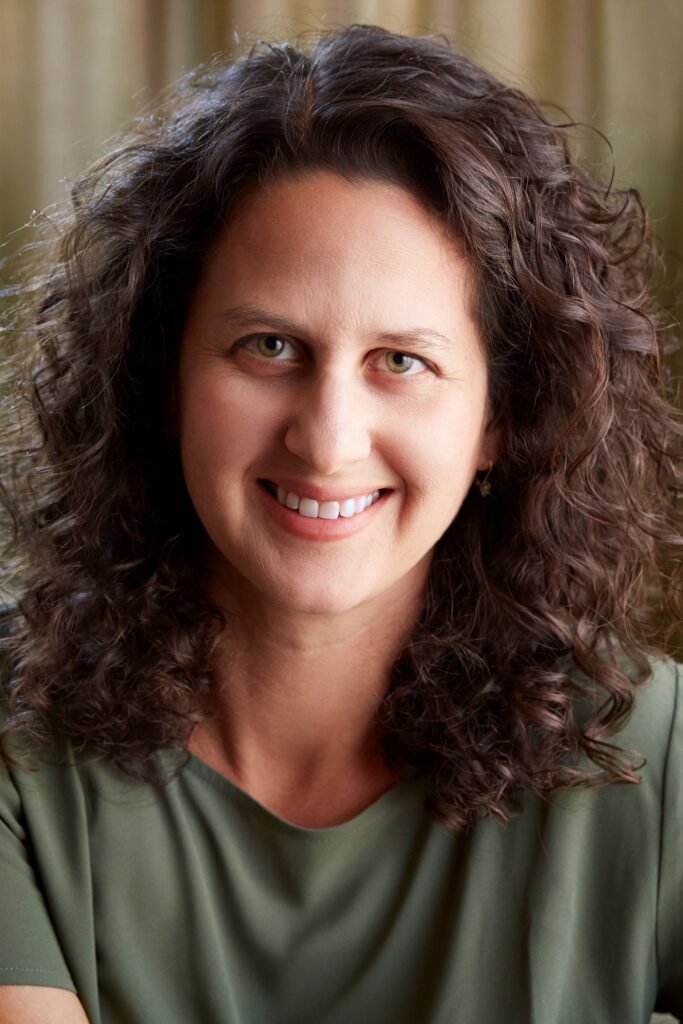
Jillian Cantor has a BA from Penn State University and an MFA from the University of Arizona. She is the USA Today and internationally bestselling author of 15 novels for teens and adults which have been chosen for Indie Next, Library Reads, Amazon Best of the Month and have been translated into 15 languages. Born and raised in a suburb of Philadelphia, Cantor currently lives in Arizona with her husband and two sons.
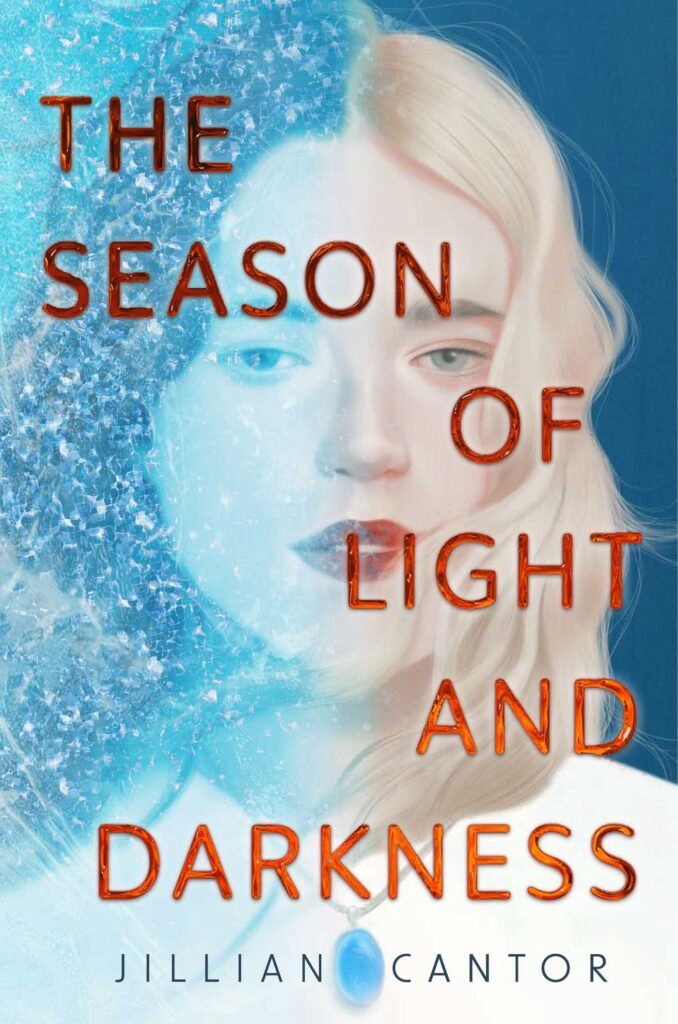
The Season of Light and Darkness imagines a near-future America under authoritarian rule, where one family chooses cryogenic sleep as a form of escape. What sparked the original idea for this premise, and how did you develop it into a story that feels both speculative and unsettlingly close to reality?
I originally came up with the idea about ten years ago. I had the thought that what if an authoritarian takes over, scientists are being persecuted but then a teenage girl’s scientist dad uses science to try and save their family? I wrote the first fifty pages at that time, but I wasn’t sure where it went and then the story went into a proverbial drawer for almost ten years. I never forgot about Ellie and Scott and Mateo, though, and I would still think, from time to time, that I should go back to them. When I finally reread those 50 pages in 2024, it felt more timely than it had 10 years earlier and that’s what made me want to keep working on it again. Rereading the first 50 pages after 10 years away, I also realized how the plot should unfold and I could suddenly envision it as an entire story with a beginning, middle, and end, beyond just the initial premise.
Ellie’s journey begins with isolation—waking up early, alone, and in a world that has only grown more oppressive. How did you approach writing her emotional arc, especially balancing survival, grief, and the gradual loss of trust in the people around her?
I think part of being a teenager, and also a human, is dealing with feelings of isolation, of wanting to belong and feeling like we’re not alone. And we all just came through the pandemic where we felt a lot of this isolation even more so than we normally would. Ellie’s situation, is of course, heightened when she’s thawed from a cryogenic freeze and thrown into a terrifying world she doesn’t understand. But she’s essentially feeling many of the same emotions I felt as a teen and also as an adult during the pandemic.
The novel also follows her brother Scott, who becomes part of a teenage resistance movement. What drew you to structure the story through multiple perspectives, and how did that choice shape the pacing and tension of the narrative?
I always knew I wanted to tell this story from multiple perspectives, from multiple experiences inside this dystopian world. Ellie is stuck early on in the book; she’s not in any shape to move around on her own, much less fight back, so I knew the other characters would have to propel the plot and the pacing, at least until Ellie recovers. It also allowed me to offer a broader perspective into this world. To show how different teens have been affected in different ways.
You’ve written across genres—from historical fiction to contemporary and now dystopian YA. How did your writing process evolve for this book, particularly when building a futuristic world governed by strict control and surveillance?
My writing process is largely the same, no matter what I’m writing! I always start with the characters and character building first and figure out the plotting from there. Ellie, Scott and Mateo came to me first of all, before anything else. Their world slowly evolved as I learned more about them. That’s similar to the historical fiction I’ve written too, where it’s the characters that have come to me first and foremost.
Themes of identity, brainwashing, and resistance run throughout the novel, especially as Ellie faces “ReAdmittance” and potential indoctrination. What research or real-world influences informed your portrayal of how systems maintain control over individuals?
I’ve done a lot of research about life in Germany in the years leading up to World War II. I published a novel set in that time in 2019 (In Another Time) so I had already read a lot and knew a lot about it. What fascinates and horrifies me is the way ordinary people were so willing to go along with everything without speaking out. The way freedoms were taken away so easily, piece by piece, little by little, and the way most people lived their lives thinking it wouldn’t affect them, until it was too late.
Your work often explores how people hold onto love, memory, and humanity in difficult circumstances. With this novel, what do you hope readers take away about resilience and the importance of questioning the world around them—even when it feels safer not to?
This novel is quite literal in terms of people not questioning the government – they all go through ReAd and are drugged and brainwashed to do what the government says, so no one even thinks to question. It’s only the people on the outside like Scott and Ellie and Mateo who even remember what life used to be like and do question and resist. In the world of the book this all feels so obvious; real life is much more subtle! But I hope people think about how important it is for us to think for ourselves and question things that don’t feel right.
Read more about The Season of Light and Darkness HERE
INTERVIEW: YA SH3LF