
Heather Kassner loves the magic of thunderstorms and hummingbirds, of a moon-bright sky and the quiet wild of a forest—though her favorite place is home. She lives with her husband and two sleepy cats in a cozy house filled with books and music.
Her novels include The Bone Garden, The Forest of Stars, The Plentiful Darkness, and Spellwright, her YA debut coming from Atheneum/S&S October 27, 2026 and S&S UK November 5, 2026.
Spellwright combines the warmth of cozy fantasy with a magical mystery, an enchanted library, and a slow-burning romance. What was the original inspiration behind the novel? Did the story begin with Fia, the world of spellwriting, or the idea of a dangerous grimoire hidden among books?
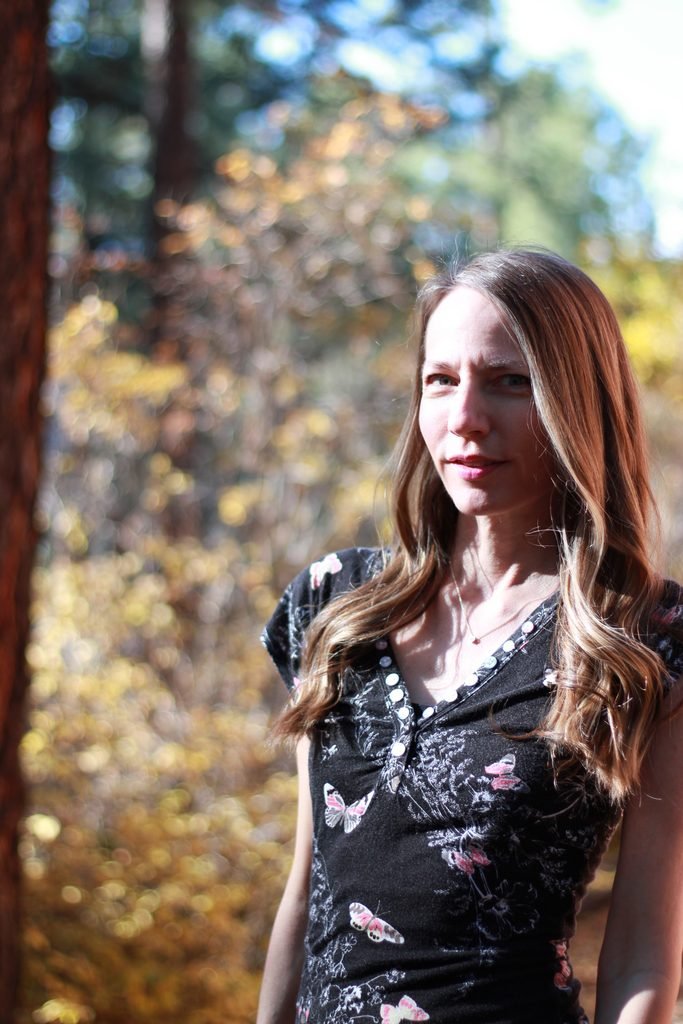
I really wanted to write a cozy, romantic, magical story, and as I was brainstorming ideas, the title popped into my head—so everything stemmed from the word Spellwright. From there, Fia Ives (a dust-fingered spellwright) came to life, and almost simultaneously a charming (and rather sleepy) magician did as well. I’m not sure I’ve ever had characters come together in quite this way before, where they were so immediately (and playfully) talking in my head. I was constantly jotting down little conversations they might have before I even wrote the first line of the story.
Fia Ives is searching for her late mother’s spellbook while trying to keep the spellshop she inherited afloat. There’s something particularly moving about her determination to hold on to what her mother left behind. How did you approach writing Fia’s grief, and what interested you about exploring the relationship between loss, memory, and the courage to move forward?
In the middle of writing this story, I very terribly and unexpectedly lost my dad. Writing Fia’s grief felt very personal to me. Her mother and their relationship were nothing like the one I had with my dad, but oh, the heartache most certainly was. I cried writing many a scene in this book, but like Fia, I cherish every memory I have of my dad. And so many of those memories are from the house where I grew up—and where my dad still lived when he died. I didn’t inherit his house, and I miss it very much too, which I think is one reason it meant so much to me that Fia keep the spellshop—which she held so dear—and make it her own.
One of the most enchanting aspects of Spellwright is its magical setting, from the gargoyles guarding Thistledown Library to the spells and curses woven into everyday life. How did you develop the magic system and its rules? And what was your process for creating a world that feels comforting and whimsical while still allowing room for genuine danger?
I love the idea of soft magic, the kind that’s all around us each and every day, so I knew I wanted a magic system where it was a talent like any other. Anyone might do magic—although some are certainly more skilled at it than others, like the famed illusionist, Penbrook Madbury.
As for the world of Spellwright, I think things can feel even more whimsical and comforting when they sit beside danger. After searching for a dangerous grimoire, for example, what’s better than returning to the comfort of a cozy spellshop with its roaring fire and a fluffy cat on the hearth, alongside someone who’s frustratingly charming—and slowly sneaking into your heart?
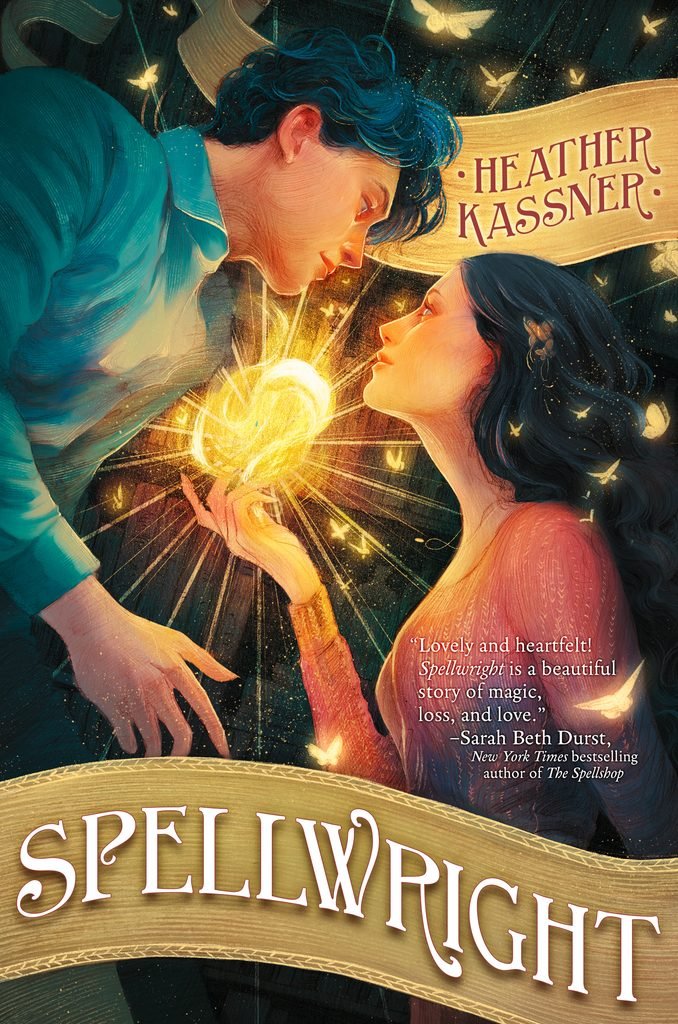
Fia and Penbrook Madbury have an intriguing dynamic, particularly because Fia is unsure whether she can trust him even as she finds herself drawn to him. What did you enjoy most about developing their relationship? How did you balance the gradual development of their romance with the mystery surrounding the stolen grimoire?
I’m not sure I’ve ever had more fun writing two characters! Fia has a gargoyle-guarded heart. She wants so much to believe in fairy tale love, but she’s always been told not to count on a happily ever after. So when she meets Penbrook, her walls are already up. And that might have been one of the things I most enjoyed about their developing relationship—how the walls slowly came down. How her hope for love was always there, glimmering in her guarded heart.
As for balancing the romance and mystery, oh, they went hand in hand! All the sneaking around gave Fia and Penbrook plenty of opportunity to be alone together. To get to know each other. To be in close quarters.
You’ve previously written middle-grade fantasy novels, including The Bone Garden, The Forest of Stars, and The Plentiful Darkness, while Spellwright marks your YA debut. What inspired you to explore a story for an older audience? Did writing YA change your approach to character development, emotional complexity, or the way you structured the story?
Before I ever wrote middle grade, I wrote YA—but I’d never finished any of those stories. I think I just hadn’t found the right one. When I caught hold of the idea for Spellwright, it felt different—one might say, it felt like magic.
As for my approach to storytelling for the different age categories, the structure definitely varied in terms of word count, chapter length, etc. And yes, I had to adjust the voice too. But that’s something that has to be done story to story no matter the age, since each character is wholly their own person, and I really love poking around in their heads and finding out who they are.
Beneath its magical adventures and romantic moments, Spellwright explores vulnerability, friendship, and the difficulty of opening your heart after experiencing loss. What was the most challenging or rewarding part of bringing those emotional themes into the story? And when readers reach the final page, what do you hope they’ll take away from Fia’s journey?
After my dad died, I had to set the story aside. I couldn’t write. I couldn’t do much of anything. My grief was so heavy. So really, picking the story back up at all was a challenge in itself. But my dad is one of the reasons I love writing (and reading) so much, so that eventually led me back to the story. All the magic, romance, and whimsy helped me balance the heartache, and even though I hurt no less (not then and not now) writing about Fia’s grief allowed me to address my own.
And oh, when readers reach the final page of Spellwright, I hope they feel warm-hearted. I know that’s such a small thing, but with everything else going on in the world, I’d like to think this story offers a little moment of comfort.
INTERVIEW: YA SH3LF