
Suzanne Young is a New York Times bestselling author known for gripping, genre-spanning novels like The Program series and Girls with Sharp Sticks. With Paradise Coast, her upcoming thriller set for release in February 2026, Young turns her focus to the Florida Everglades, where a hurricane exposes long-buried secrets and sharp class divides among a group of teens. Blending suspense, romance, and social tension, the novel marks an atmospheric new chapter in Young’s career – and sets the stage for a conversation about secrets, survival, and the stories we tell to protect ourselves.

“Paradise Coast” features a deep divide between “local” teens and wealthy outsiders, with long-buried secrets resurfacing after a hurricane. What inspired you to center the story on class conflict, legacy, and social inequality in a small Everglades-town setting?
The story started with the character of Noa. I knew I wanted to show her and her friends living their lives on the beach under the shadow of a mega resort. I wanted them to be scrappy, to fight for their futures, and eventually, the tension between the locals and the rich investors began to take shape. I really loved getting the chance to dive into the social divide caused by both the deadly accident decades earlier and the corporate soul-sucking of touristic towns and how that impacts the locals.
The novel hinges on the resurfacing of a burned-down hotel, a mysterious fire, and generations-old injustice. How do you balance the mystery/thriller aspect with the emotional and social stakes for your characters – and what compelled you to tell a story about history haunting the present?
I loved the idea of an old mystery influencing the daily lives of the teens still fighting for their place in Cape Hope. The locals were told they were trouble for as long as they could remember, even though they were the ones who built the town. I really wanted them to find the answers to the fire that changed everything, and use that journey to have them grow as characters, too. In the end, I wanted them to get justice, but there are a lot of twists along the way.
Your protagonist, Noa, fights to clear an ancestor’s name and push back against oppression – themes of identity, heritage, and resistance run strong. What do you hope young adult readers take away from Noa’s struggle, especially regarding community, justice, and “belonging”?
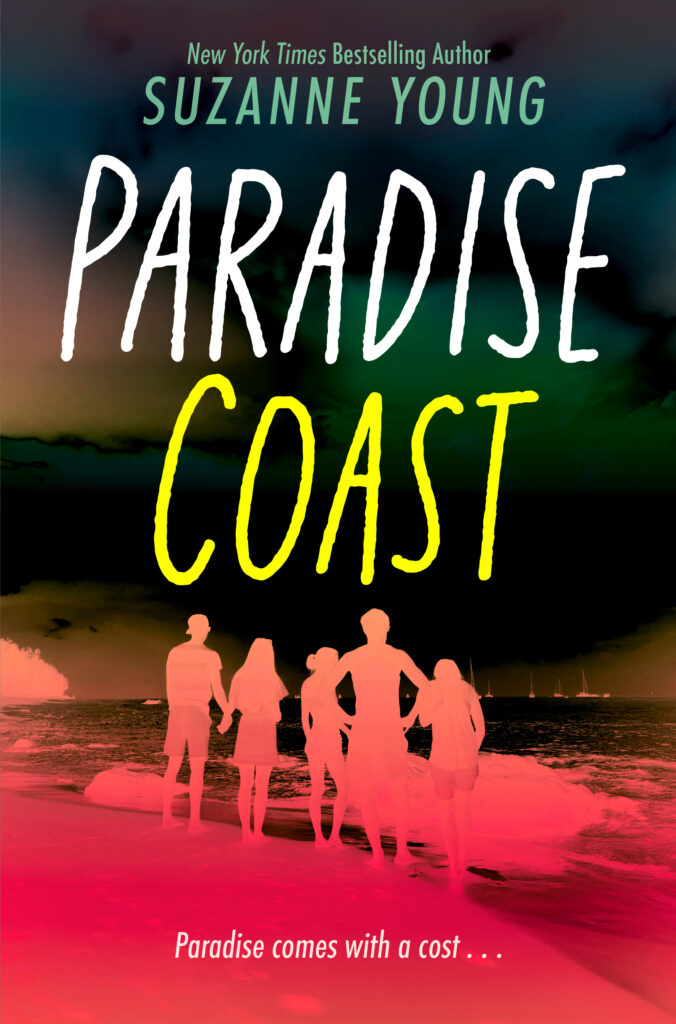
History, especially word of mouth, can be distorted and twisted by those who seek to take power. In this book, you have the underdogs—the local teens—fighting back against corporations and the insanely wealthy. The teens in this book don’t have a single advantage other than their dedication to clear their ancestor’s name and save their town.
Where Noa always knew she belonged with the locals, her love interest Jamie comes from the wealthy side of the town. He doesn’t fit into either world, but he’s guided by his conscience and what he knows is right or wrong. I think the journey for him is especially interesting.
Ultimately, the community comes together—even if just for a time—because setting things right is the goal, even if justice took decades to find.
“Paradise Coast” has been described as combining atmospheric “Everglades-swamp” setting, mystery, suspense, and romance. What appeals to you about melding these genres, and how does the setting influence mood and character in your story?
I love the idea of making the Everglades a character itself. A place that can be suffocating, dangerous, but still beautiful. I think having this swampy, sticky, hidden area added to the mystery of the story. It gave it a pulse and a creeping sense of dread.
I also really liked the section about the lost hotel. The mystery has a great sense of atmosphere (an old hotel covered in moss and vines) and the twists are fun and devastating. And, of course, I loved writing the romance between Noa and Jamie. A couple from opposite worlds, but who can’t seem to stay apart. That kind of chemistry is always fun to write.
This is a new direction for you after previous novels – what were the biggest challenges you faced writing “Paradise Coast,” and what creative opportunities did it give you that you found particularly rewarding?
I’ll admit I started this in an attempt to write a fun, beach romance, but my writing naturally skews to darker and more twisty content. So, my biggest challenge was trying to keep characters alive when my instinct was to write something darker. Mostly kidding, but I did have to pull back a few times and remind myself that I don’t always have to make my readers cry.
INTERVIEW: YA SH3LF