
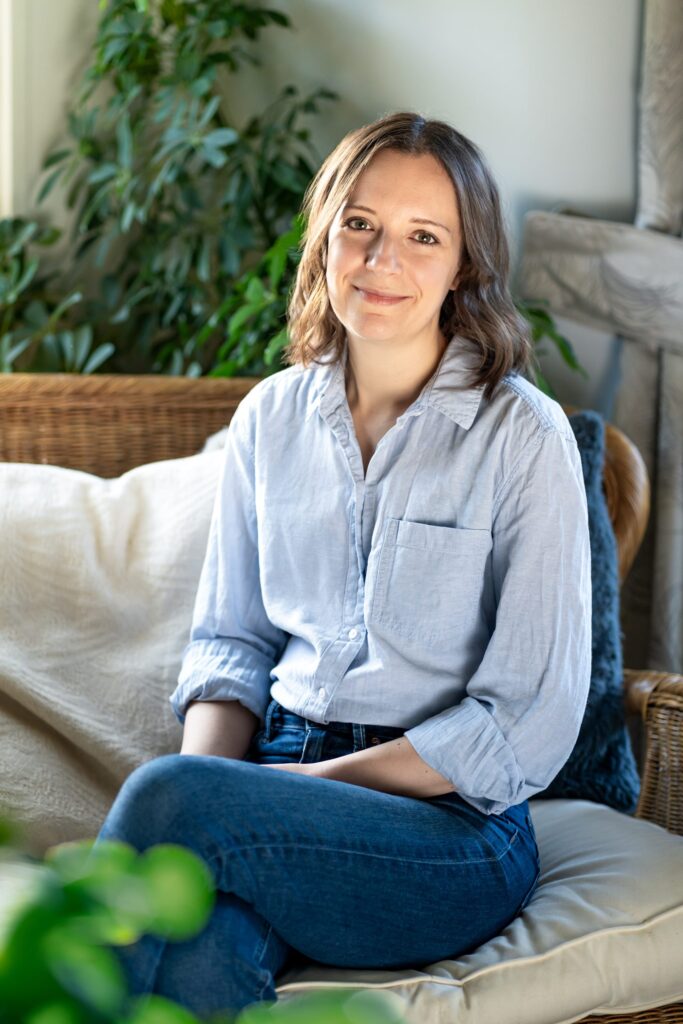
Sadie Turner grew up on the Welsh Border and now lives in Hampshire, not far from the former home of one of her biggest inspirations: Jane Austen. She is a copywriter, mother of two, and author of gloomy, romantic, neurodiverse YA Fantasy. When she can find the time, she loves reading, cooking, and classic CRPGs, and is rarely seen without a cup of tea on hand.
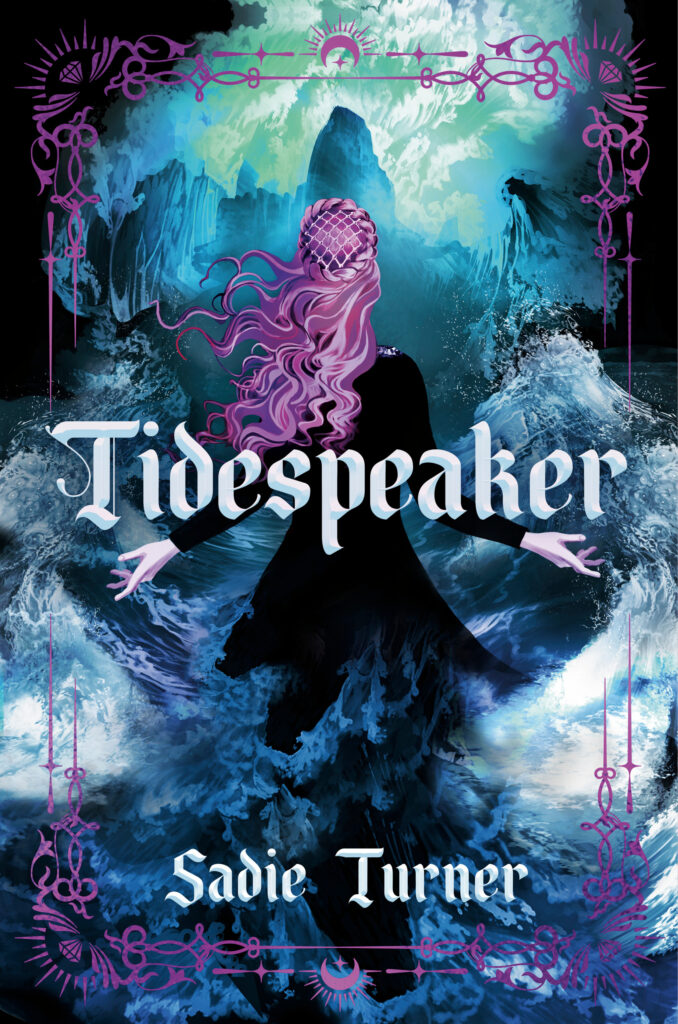
Sadie is the author of the TIDESPEAKER duology. TIDESPEAKER will be published on January 6 2026 by Delacorte Press (Penguin Random House) in the US and January 8 2026 by Rock the Boat (Oneworld Publications) in the UK.
Tidespeaker centres on Corith Fraine, a “Floodmouth” whose words can control water – what inspired you to build a magic system around such an elemental power, and how does water as a motif shape the tone and themes of the novel?
I’ve always loved and been fascinated by the sea. The first inkling of Tidespeaker was its island setting and powerful tides, and I knew I wanted the magic system to tie into that somehow. I also wanted Corith to struggle with her water magic, and where better to do so than a tidal island? A four-element magic system (water, wind, earth, fire) felt like a natural extension – it’s a familiar system for fantasy fans, but my twist is that Orha communicate with the elements with their words, and the elements can choose to listen, or not. The ocean is intended to be almost a character in its own right in the novel, with moods depending on the time of the month – at archwater, the tides are rapid and violent, and at pallwater, they’re shallow and docile. This lends tension and unpredictability to the novel – good for a mystery! – as well as the potential for peril – great for fantasy!
Corith begins working for a noble family on a remote, storm-battered island – once the excitement of the new job wears off, she uncovers dark secrets and a tragic history. What drew you to the idea of combining court intrigue, gothic atmosphere and a mystery with such a setting?
The rugged, isolated setting, which was inspired by a real-life tidal island, Lindisfarne, is integral for a few reasons. I wanted Corith to feel cut-off and uneasy as she investigates the mystery of her friend’s recent drowning. I wanted that sense of danger that comes from knowing the tides might catch you if you time your crossing wrong. And the setting also reflects the sense of isolation that Corith, like many undiagnosed autistic folks, feels from those around her. Not to mention, I’ve been a big fan of Jane Austen and the Brontës since my teens, and their influence seeps into pretty much everything I write. I knew I wanted a windswept, gothic setting that felt as isolated and atmospheric as my favourite Brontë novel, Wuthering Heights, but there are strong elements of Jane Eyre in the story, too – a ‘quiet’ protagonist who travels to serve a wealthy household, where secrets and strange happenings abound – and Austen’s Mansfield Park, with the narrative centring around four rich siblings lorded over by an antagonistic patriarch.
There seems to be a slow-burn romance thread between Corith and the brooding youngest son of the noble house. What do you enjoy about writing romance within a fantasy world – and how do you balance romantic tension with mystery, danger, and moral ambiguity?
I’ve always been a huge fantasy fan – my teens were dominated by the releases of the Lord of the Rings movies and the Wheel of Time novels – but romance finds its way into everything I write, too. I’m going to have to blame Austen and Brontës again for that! I especially love romance in a fantasy world because of the opportunities to make it so wonderfully epic, and for delicious conflict – you have these two people with crackling tension and an intriguing connection, but you can throw swordfights and dragon battles and dangerous magic at them to divide them. If you can’t tell, it’s all about enemies-to-lovers for me! In terms of balancing romance with these other elements, I personally like the love story to be a subplot in a bigger adventure; I like subtlety in romances, and the slowest of slow burns! So I pepper romantic moments – including nonverbal romantic interaction, which I’m a big fan of, like snatched looks and the brush of a hand – in amongst the plot developments and the conversations (or clashes!) between the couple.
You describe your work as “gloomy, romantic, neurodiverse YA fantasy”. How does neurodiversity influence your storytelling and character design – and how important is representation in a story like Tidespeaker?
Even before I knew I was autistic (I didn’t get diagnosed until my thirties), I was writing protagonists and side characters ‘like me’, hoping that one day, if I managed to get my work out there, I’d hear from others who thought and behaved and struggled in the same ways I did. I don’t think I could write a neurotypical protagonist, because I don’t know what it’s like to experience the world that way. Regarding the importance of representation, I think it’s crucial for neurodivergent young adults, diagnosed or undiagnosed, to see themselves reflected in the fiction they read, and also for the wider readership to gain awareness of neurodivergent perspectives. I would have felt really seen by a heroine like Corith as a teen – and if I’d known that the character and author were autistic, I’d maybe have realised I was autistic, too, long before I actually did, which would have saved at least some confusion, heartache, and self-doubt. My big hope is that the book, in some small way, helps young neurodivergent readers know they’re not alone.
As this is the first book in the “Tidespeaker” duology, what kind of journey do you hope readers will take with Corith – both emotionally and morally – and what themes or questions do you hope linger with them after they finish?
Corith’s journey through the series is one of coming of age, learning about herself, overcoming fears and self-doubt, and staying true to her instincts and conscience despite external pressures. In Tidespeaker, we get the coming-of-age journey, as Corith strikes out on her own for the very first time, wrestles with her temperamental magic, and overcomes often lethal obstacles to save those she loves and work out what path to go down. The sequel is more about Corith figuring out who she wants to be morally, and her struggle between acting the way others want her to (or how she thinks she ought to) versus the way she feels is right in her heart. I hope readers will come away from the series thinking about the importance of standing up for what’s right, forging your own path, and accepting your authentic self, and, if they didn’t already have it, with new awareness of how (at least some of) us neurodivergent folks experience the world.
INTERVIEW: YA SH3LF